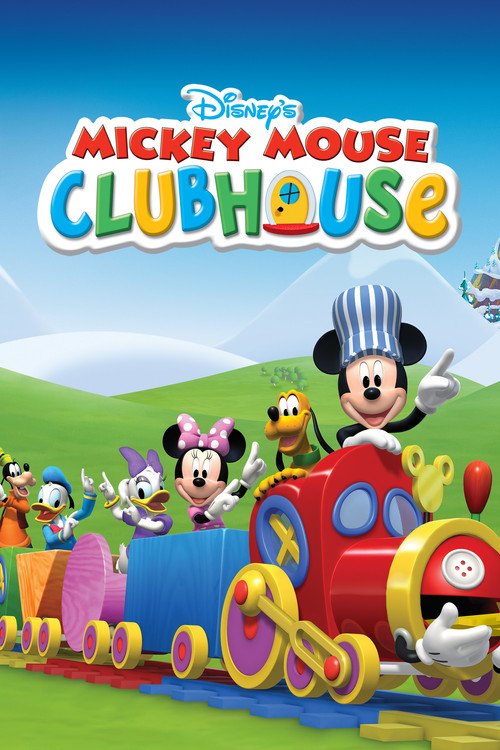
The clubhouse doors swing open, and what's the first thing that greets you? Often, it's a catchy tune, a rhythmic beat, or a familiar refrain. For countless families, the Mickey Mouse Clubhouse Season 2 episodes delivered not just adventures but a vibrant soundtrack that became an integral part of daily life. More than mere background noise, the Mickey Mouse Clubhouse Season 2 Songs and Music are expertly crafted tools designed to engage, educate, and entertain young minds.
This isn't just about catchy jingles; it's about the deliberate use of melody and lyrics to foster early childhood development. As a seasoned observer of children's media, I've seen firsthand how these musical moments transform passive viewing into active participation, turning simple stories into interactive learning experiences.
At a Glance: What You'll Discover About Clubhouse Music
- The Purpose: Understand how music in Mickey Mouse Clubhouse serves a dual role: entertainment and education.
- Musical Elements: Learn about the common characteristics of the show's songs—from repetitive melodies to clear lyrics.
- Developmental Impact: Explore how specific song types aid cognitive, motor, and socio-emotional skills in preschoolers.
- Parental Engagement: Get practical tips on how to leverage the show's music for continued learning and fun at home.
- Beyond the Screen: Uncover how these tunes can inspire creativity and active play, extending the clubhouse magic.
The Enduring Tune of the Clubhouse: More Than Just Sound
Think about it: before children can fully grasp complex narratives, they often respond to rhythm and melody. Mickey Mouse Clubhouse understood this implicitly, weaving music into the very fabric of its storytelling. Season 2, much like its preceding and succeeding counterparts, leaned heavily on this strategy, transforming every episode into a mini-musical journey.
This isn't an accident. Music has a unique ability to capture attention, convey emotion, and simplify complex ideas. For the preschool demographic, short, memorable songs act as potent vehicles for teaching everything from counting to kindness. They create a predictable, comforting structure within each episode, allowing children to anticipate, participate, and learn without even realizing they're doing it.
Why Music Matters in Mickey's World (and Yours)
The musical landscape of Mickey Mouse Clubhouse is intentionally rich because creators know how profoundly music impacts young children. It's a multisensory experience that activates various parts of the brain simultaneously.
A Symphony of Learning: Cognitive & Motor Development
The songs often serve as mnemonic devices, helping children recall sequences or concepts. For instance, a song about shapes might list each one with a distinct sound or action, cementing the knowledge in a fun way. When a character asks for a "Mousketool," the accompanying jingle primes the child to think about problem-solving. This isn't just about memorization; it's about building foundational cognitive skills like pattern recognition, sequencing, and even early logic.
Beyond the brain, the body gets involved too. Many Clubhouse songs are designed for movement. Think about the irresistible urge to dance, clap, or mimic actions depicted on screen. This isn't just good fun; it's crucial for developing gross motor skills, coordination, and rhythm. Children learn to follow instructions, imitate movements, and express themselves physically—all vital aspects of early development.
Harmonizing Emotions: Social & Emotional Growth
Music is a universal language of emotion. In Mickey Mouse Clubhouse, songs often tackle feelings like happiness, sadness, or frustration, providing a safe space for children to identify and process these emotions. A song about friendship, for example, reinforces the value of sharing and cooperation, helping young viewers understand social cues and build empathy. These musical moments allow the beloved characters to model positive social behaviors, making abstract concepts like teamwork feel tangible and relatable. This gentle guidance through song contributes significantly to the show's overall the show's educational approach.
Engagement & Retention: The Catchy Catalyst
Let's be honest: children's attention spans can be fleeting. Music is a powerful tool to hook and hold that attention. A catchy melody or a repeated phrase can quickly re-engage a child who might otherwise wander off. Furthermore, the repetitive nature of many songs aids in retention. Children love predictability, and singing along to familiar tunes provides comfort and reinforces learning. They’re not just hearing the words; they’re internalizing them through active participation.
Deconstructing Season 2's Musical Blueprint
While specific song titles from Season 2 are hard to pin down without direct access to the show's musical archives, the general types and functions of songs remained consistent with the show's successful formula. The music wasn't just decorative; it was functional, driving the plot and facilitating learning.
The Signature Sounds: Familiar Hooks
Every Mickey Mouse Clubhouse season relies on its iconic musical bookends. The lively opening theme song immediately signals the start of adventure, setting an upbeat tone and inviting participation. And, of course, the closing "Hot Dog Dance" song is a quintessential part of the Clubhouse experience, a joyful, energetic celebration that encourages movement and marks the successful completion of the episode's mission. These signature sounds act as anchors, providing comforting familiarity while framing the unique musical explorations within each story.
Problem-Solving Playlists: Guiding the Adventure
A core component of the show is problem-solving with "Mousketools." Many songs in Season 2 would have been specifically designed to introduce, explain, and guide the use of these tools. Imagine a scenario where Mickey needs to choose the right tool: a short, repetitive song might enumerate the options, describe their functions, and encourage the viewer to help decide. This musical integration transforms a passive viewing experience into an interactive games and activities, where children actively engage in the decision-making process. The music breaks down complex tasks into manageable, rhythmic steps.
Emotional & Social Harmony: Lessons in Song
Songs dedicated to emotional intelligence and social skills are crucial. Picture a tune about sharing a toy, or one about being a good friend when someone is sad. These songs use simple, direct language and relatable scenarios to illustrate key social lessons. They allow the characters, already beloved by children, to model empathy, cooperation, and conflict resolution in a gentle, memorable way. By presenting these concepts musically, the show makes them accessible and less didactic.
Counting & Concept Catchphrases: Building Foundations
Many songs are designed for direct educational purposes. Season 2 would have featured songs focused on:
- Counting: Simple counting songs, often tied to a visual element like collecting items or moving a certain number of steps.
- Shapes and Colors: Tunes that identify different shapes or colors, often associating them with everyday objects.
- Opposites: Songs exploring concepts like "up and down," "big and small," helping children understand comparative language.
These tunes aren't just about rote memorization; they often incorporate actions or visual cues, appealing to different learning styles and ensuring the concepts stick.
Movement & Merriment: Getting Wiggles Out
Beyond the "Hot Dog Dance," many shorter musical segments or even just rhythmic dialogues encourage physical participation. Whether it's a song about jumping, running, or spinning, the music acts as a cue for active play. This is vital for preschoolers who learn best by doing and moving. The music provides a structured outlet for their energy, transforming screen time into an active, engaging experience.
Beyond the Lyrics: The Production Behind the Catchiness
What makes Mickey Mouse Clubhouse music so effective? It's a combination of deliberate production choices:
- Simple, Repetitive Melodies: Children thrive on predictability. Simple melodic lines are easy to grasp, remember, and sing along to. Repetition reinforces learning and builds confidence.
- Clear, Easy-to-Understand Lyrics: The vocabulary is age-appropriate, and the sentences are short and direct. There's no ambiguity; the message is always crystal clear, whether it's about counting or friendship.
- Bright, Upbeat Instrumentation: The music typically uses cheerful, orchestral, or electronic sounds that resonate with young ears. It's designed to evoke happiness and energy.
- Friendly Vocal Performances: The voice actors, who are integral to the beloved characters, sing with enthusiasm and clarity, making the songs inviting and encouraging participation.
This thoughtful approach ensures that every note and every word contributes to the show's overarching goal: making learning an adventure.
Unlocking the Power of Clubhouse Music at Home
The music of Mickey Mouse Clubhouse doesn't have to end when the credits roll. As a parent or caregiver, you can easily extend its educational and engaging power into your daily routine.
Sing Along and Discuss
Actively sing along with your child during the show. This models participation and makes it a shared experience. Afterward, talk about the songs. "What was your favorite song today?" "What did Mickey learn in that song about sharing?" This encourages language development and critical thinking. You might even want to explore a full list of episodes to rewatch a favorite musical moment.
Use Music for Transitions
Children often struggle with transitions (e.g., from playtime to clean-up, or from bath time to bedtime). Borrow a page from the Clubhouse playbook! Create simple, short songs for daily routines. A "clean-up song" or a "brush your teeth song" can make these moments more fun and predictable, just as the Clubhouse songs guide the characters through their adventures.
Extend the Learning with Creative Play
- Dance Parties: Put on some Mickey Mouse Clubhouse music (or similar upbeat tunes) and have an impromptu dance party. This is excellent for motor skills and a fantastic energy release.
- Puppet Shows: Encourage your child to create their own simple stories and songs with puppets or stuffed animals, drawing inspiration from the Clubhouse gang.
- Musical Storytelling: Ask your child to tell a story and add sound effects or a simple melody to different parts. This boosts creativity and understanding of narrative structure.
By actively engaging with the music, you're not just enjoying the show; you're reinforcing the valuable lessons and developmental benefits that the creators so carefully built into every episode.
Common Questions Parents Ask About Kids' TV Music
Is all children's TV music really educational?
While Mickey Mouse Clubhouse is intentionally designed with educational outcomes in mind, not all children's TV music has the same pedagogical rigor. Shows like Clubhouse often consult with early childhood education experts to ensure their content, including music, aligns with developmental milestones. Look for shows that use music to reinforce specific concepts (numbers, letters, social skills), encourage interaction, and have clear, simple lyrics.
How much screen time with musical shows is appropriate?
The American Academy of Pediatrics recommends limiting screen time for preschoolers (ages 2-5) to 1 hour per day of high-quality programming. Mickey Mouse Clubhouse generally falls into this category. The key is balance and interaction. Instead of just letting the TV run, engage with your child, sing along, and discuss what's happening. The music can certainly be part of that quality screen time, especially when it sparks further off-screen activity.
Where can I find specific songs from Mickey Mouse Clubhouse Season 2?
Due to the dynamic nature of children's programming and the focus on episodic content, official standalone soundtracks for specific seasons can be challenging to find or may not have been widely released. Often, the best way to revisit these musical moments is by rewatching the Mickey Mouse Clubhouse Season 2 episodes on streaming platforms or through DVD collections. Fan communities and online video platforms might also have compilations, though these may not be officially curated. Focus on the types of songs and the lessons they teach, as these core elements are consistent throughout the show's run.
Your Invitation to Sing Along: Keep the Magic Alive
The Mickey Mouse Clubhouse Season 2 Songs and Music are more than just background jingles; they are a vital component of a show dedicated to fostering early childhood development. They encourage problem-solving, emotional literacy, and physical activity, all wrapped in irresistible melodies and familiar voices.
So, the next time the Clubhouse gang launches into a song, don't just listen. Sing along, tap your feet, and encourage your little one to do the same. You're not just enjoying a moment of entertainment; you're participating in a powerful learning experience that echoes long after the television is turned off. The magic of the Clubhouse, after all, is something you can carry with you, ready to sing and learn another day.