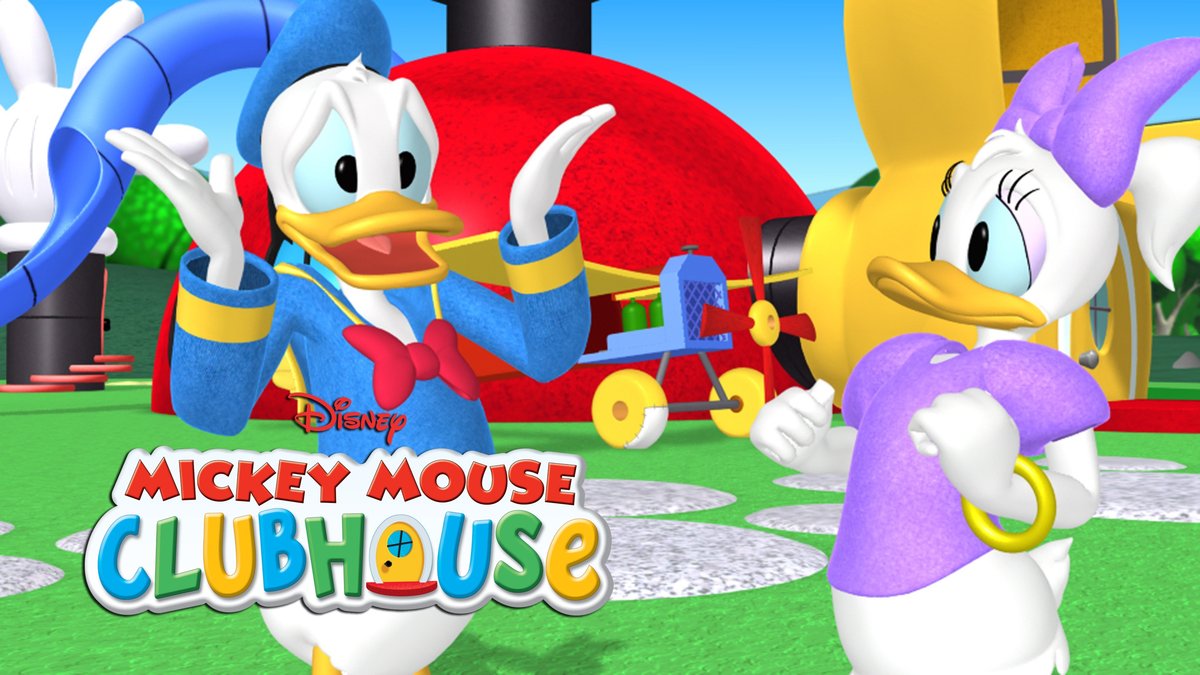
When the familiar "Meeska, Mooska, Mickey Mouse!" rings through your home, it's more than just a catchy phrase—it's an invitation to a world of colorful characters, gentle lessons, and interactive fun. For years, Mickey Mouse Clubhouse has been a staple in preschool households, and with a brand-new iteration on the horizon, parents are keenly searching for "Mickey Mouse Clubhouse Season 2 Reviews and Parent Guides" to understand what to expect.
But here's the thing: while the original Mickey Mouse Clubhouse series (2006-2016) certainly had many seasons, the upcoming excitement centers around Mickey Mouse Clubhouse+, a fresh revival slated to premiere in 2025. This means that formal "Season 2 reviews" for the new series don't exist yet. However, what does exist is a wealth of information about its intentions, target audience, and educational framework, all building on the beloved legacy of its predecessor. Consider this your comprehensive guide, designed to give you clarity and confidence about the next chapter of the Clubhouse, alongside insights into what made the original's subsequent seasons so enduring.
At a Glance: What You Need to Know About the New Clubhouse Era
- What it is: Mickey Mouse Clubhouse+ is a brand-new animated preschool series, a revival of the classic Disney Junior show.
- Premiere: July 21, 2025, on Disney Junior; streams on Disney+ starting July 22, 2025.
- Initial Launch: 10 episodes available at launch.
- Target Audience: Primarily 2-4 year olds, but appropriate for ages 5-6 and safe for 7+.
- Rating: TV-Y (appropriate for all young children).
- Educational Focus: Early math (shapes, numbers, colors), problem-solving, reasoning, teamwork, and imagination using "Mouseketools."
- Key Themes: Kindness, patience, sharing, perseverance, emotion management, cooperation, apologizing, forgiving, and celebrating achievements.
- Safety Net: No scary scenes or threats; light tension is always quickly resolved.
- Parental Role: Co-viewing enhances learning; encourages real-life play and conversation.
The Clubhouse Returns: Understanding the Mickey Mouse Clubhouse+ Revival
For over a decade, the original Mickey Mouse Clubhouse defined a generation of preschool television, offering a safe, engaging, and subtly educational experience. Now, Disney Junior is bringing back Mickey, Minnie, Donald, Daisy, Goofy, and Pluto for new adventures in Mickey Mouse Clubhouse+. This isn't just a re-run; it's a carefully crafted revival, designed to resonate with today's preschoolers while retaining the timeless charm and proven pedagogical approach of its predecessor.
The series is set to premiere on July 21, 2025, on Disney Junior, with streaming available on Disney+ starting July 22, 2025. At launch, families can dive into 10 brand-new episodes. For parents seeking "Mickey Mouse Clubhouse Season 2 reviews and parent guides," understanding this distinction is crucial. We're looking at a fresh start, one that promises to deliver the same interactive fun, delightful music, and collaborative problem-solving that made the original so beloved. This foundation gives us a solid basis to anticipate what future seasons—including a potential "Season 2" for the new series—will entail.
Why the Revival? Building on a Beloved Legacy
The decision to revive Mickey Mouse Clubhouse stems from its enduring popularity and a recognized need for high-quality, age-appropriate content for preschoolers. The original show carved out a significant niche by blending entertainment with gentle learning, making it a trusted choice for parents. The Mickey Mouse Clubhouse+ revival aims to capture that same magic, updating the animation and storytelling while keeping the core elements that worked so well.
This new series isn't just about nostalgia; it’s about providing contemporary children with a familiar, friendly entry point into early education. Disney Junior understands the power of these iconic characters to captivate young minds and deliver valuable lessons without feeling overtly didactic. The goal is to provide a consistent, positive viewing experience, which is a significant factor for parents looking for dependable content for their little ones, whether it's the initial season or the eventual Mickey Mouse Clubhouse Season 2.
TV-Y Rating Explained: What It Means for Your Child
The TV-Y rating is a simple but powerful indicator for parents. It signifies that the program is "appropriate for children of all ages," a blanket statement that suggests the content is specifically designed to be suitable for very young viewers, including preschoolers.
For Mickey Mouse Clubhouse+, this rating means you can expect:
- No Frightening Content: There will be no scary scenes, intense conflicts, or sudden surprises that could upset a young child. Any mild tension or challenge within an episode is quickly resolved, often through teamwork and positive reinforcement.
- Positive Messaging: The show focuses on promoting good behavior, emotional intelligence, and constructive problem-solving. You won't find aggression, mean-spirited humor, or complex themes that could be confusing for a preschooler.
- Simple Narratives: Stories are straightforward and easy to follow, allowing children to engage with the characters and challenges without getting lost. This predictability is comforting for young children and helps them absorb the lessons presented.
This consistency in rating and content philosophy is often a hallmark of successful children's programming, ensuring that parents can trust the show to be a safe and enriching part of their child's media diet.
Decoding the Educational Blueprint: What Kids Learn
At its heart, Mickey Mouse Clubhouse+ isn't just entertainment; it's a playful classroom designed to foster foundational skills in preschoolers. The "Mouseketools" system, where Mickey and friends choose the right tool to solve a problem, perfectly encapsulates this blend of fun and function. For parents reviewing potential shows, the educational framework is often a top priority.
Early Math Skills: More Than Just Counting
The series makes learning early math concepts an engaging adventure. Children are exposed to:
- Shapes: Identifying circles, squares, triangles, and other basic geometric forms as integral parts of objects and environments.
- Numbers: Counting objects, understanding numerical sequences, and simple addition/subtraction in context, like figuring out how many apples are left.
- Colors: Recognizing and naming colors, often through interactive segments where viewers are asked to identify hues.
This isn't rote memorization; it's applied learning, where these concepts are necessary to help Mickey and friends complete their missions. It's an excellent way to prepare young minds for kindergarten, building a strong base without ever feeling like homework.
Problem-Solving & Reasoning: The Magic of Mouseketools
A core interactive element of Mickey Mouse Clubhouse+ involves the famous "Mouseketools." When the gang encounters a problem, Mickey calls upon the viewers to help select the correct tool from the 'Mousekedoer.' This simple mechanism teaches:
- Critical Thinking: Children are encouraged to think about the problem and hypothesize which tool might work best.
- Cause and Effect: They see immediate results of their chosen "tool," whether it solves the problem or requires another attempt.
- Sequential Thinking: Many challenges require multiple steps, guiding children through a logical progression to reach a solution.
This active participation transforms passive viewing into an engaging learning experience, empowering children to feel like an essential part of the problem-solving process.
Teamwork & Social-Emotional Learning: Friends Helping Friends
Beyond academics, the show is a masterclass in social and emotional development. The characters consistently model:
- Kindness and Empathy: Expressing concern for others, offering help, and understanding different feelings.
- Patience and Sharing: Waiting for turns, distributing resources fairly, and working collaboratively towards a common goal.
- Perseverance: Not giving up when faced with a challenge, encouraging each other, and trying different approaches.
- Emotion Management: Showing how characters deal with frustration or excitement in healthy ways.
- Cooperation: The entire premise revolves around the friends working together, highlighting the strength in unity.
Crucially, the series includes instances of characters apologizing, forgiving, asking for help when needed, and celebrating achievements together. These are vital social cues that children observe and can begin to practice in their own lives.
Imagination & Creativity: Stepping into the Playroom
The Clubhouse itself is a dynamic, ever-changing environment, often transforming to suit the adventure. This fluid setting encourages children to:
- Embrace Imagination: Seeing familiar characters in fantastical situations helps spark their own creative play.
- Think Outside the Box: The show models creative solutions to problems, often using everyday items in imaginative ways.
- Develop Storytelling Skills: The clear narrative structure and character interactions can inspire children to create their own stories and scenarios.
The "Hot Dog!" Song: A Celebration of Success
The iconic "Hot Dog!" song, performed at the end of each adventure, is more than just a catchy tune. It serves as a consistent, positive reinforcement for successfully completing a task or solving a problem. This celebration of achievement is crucial for building a child's self-esteem and instilling a sense of accomplishment. It's a joyful, memorable way to punctuate the learning journey in each episode.
Parent Guides: Navigating the Clubhouse Experience
Understanding the show's content is just the first step. As parents, guiding your child's media consumption involves more nuanced considerations, from age appropriateness to enhancing the educational impact.
Age Appropriateness Deep Dive
While Mickey Mouse Clubhouse+ carries a TV-Y rating, its appeal and educational value can vary slightly across different age groups.
2-4 Year Olds: The Sweet Spot
This is the primary target audience, and for good reason. For toddlers and preschoolers, the show offers:
- Optimal Engagement: The bright colors, simple animations, repetitive phrases, and direct address to the camera ("Can you help us?") perfectly capture their attention.
- Foundational Learning: The early math, social-emotional lessons, and problem-solving concepts are introduced at a pace and complexity level ideally suited for this developmental stage.
- Language Development: Exposure to new vocabulary and sentence structures in a clear, consistent manner.
- Comfort and Predictability: Young children thrive on routines, and the consistent format of Mickey Mouse Clubhouse+ provides a reassuring, predictable viewing experience.
If your child falls into this age bracket, Mickey Mouse Clubhouse+ is likely to be a highly effective and cherished show.
5-6 Year Olds: Still Engaging?
For kindergarteners and early elementary school children, the show can still hold significant value, though perhaps with a slightly different appeal:
- Reinforcement: The educational concepts, while perhaps already familiar, serve as excellent reinforcement for what they might be learning in school.
- Social Skills: The emphasis on teamwork, kindness, and conflict resolution remains highly relevant as they navigate more complex social dynamics at school.
- Comfort Viewing: Many children enjoy returning to familiar, comforting shows even as they grow older. It can be a stress-free, feel-good option.
However, some 5-6 year olds might start to find the pacing a bit slow or the problems too simple as their cognitive abilities advance. Observing your child's engagement is key.
7+ Year Olds: Is It Too Simple?
While Mickey Mouse Clubhouse+ remains "safe" for children aged 7 and up, the content may indeed be too simple to hold their sustained interest or offer significant new learning.
- Limited Challenge: The problem-solving and educational elements might not provide enough cognitive challenge for school-aged children.
- Pacing: The show's slower, more deliberate pacing, designed for preschoolers, might feel tedious to older kids accustomed to faster-paced narratives.
At this age, the show might serve as background noise, or be something they briefly watch with a younger sibling. While it won't be harmful, it's unlikely to be their primary choice for entertainment or learning.
Addressing Common Parental Concerns
Parents often have specific questions when evaluating children's media. Here’s how Mickey Mouse Clubhouse+ stacks up.
Is It Truly Educational?
This is a frequently debated point. Some sources champion Mickey Mouse Clubhouse+ (and its original version) for its clear educational and enriching aspects, while others suggest its educational contribution is minimal, serving primarily as a tool to capture a child's attention.
The truth likely lies in the middle, and depends on how you define "educational." Mickey Mouse Clubhouse+ excels at:
- Exposure and Reinforcement: It effectively exposes children to early math, social-emotional concepts, and problem-solving strategies in a fun, accessible way. For many children, this early exposure is invaluable.
- Interactive Engagement: The direct questions and calls to action genuinely encourage active participation, which is a key component of effective learning.
- Positive Behavioral Modeling: The show is undeniably strong in modeling kindness, cooperation, and perseverance.
However, it's not a substitute for formal instruction or hands-on learning. Its primary strength is in making foundational concepts enjoyable and familiar, laying groundwork rather than delivering deep academic lessons. For optimal impact, parental involvement (as discussed below) is crucial.
Screen Time Management: Best Practices
Mickey Mouse Clubhouse+ is a quality show, but it's still screen time. Here are some best practices:
- Set Limits: Establish clear boundaries for how much screen time your child gets each day.
- Choose Wisely: Prioritize shows like Mickey Mouse Clubhouse+ that offer demonstrable educational or developmental benefits.
- Balance: Ensure screen time is balanced with ample opportunities for active play, creative exploration, reading, and social interaction.
- Location: Whenever possible, watch in a common family area rather than isolated bedrooms.
The "Scary" Factor: Light Tension, Quick Resolution
Parents of sensitive children often worry about scary scenes. You can rest assured that Mickey Mouse Clubhouse+ contains no genuinely frightening scenes or threats. Any moments of light tension—perhaps a minor setback in an adventure or a fleeting moment of confusion—are always quickly resolved through teamwork, a positive attitude, and the magic of the Mouseketools. This ensures a consistently positive and reassuring viewing experience for even the most timid preschoolers.
Enhancing the Learning: Co-Viewing Strategies
The magic of Mickey Mouse Clubhouse+ truly blossoms when parents engage with their children during viewing. Co-viewing transforms screen time into a shared learning experience.
Interactive Engagement: Count, Sing, and Talk
- Reinforce Learning Themes: When Mickey counts, count along with your child. When they identify a shape, ask your child to point out other objects of that shape in the room. This direct reinforcement solidifies the concepts.
- Vocabulary Building: Point out and name objects on the screen, encouraging your child to repeat new words. Discuss the meanings of words like "perseverance" or "cooperation" in simple terms.
- Sing Along: Join in with the songs, especially the "Hot Dog!" song. Singing enhances memory and makes the experience even more joyful.
Real-World Connections: Extend the Fun
- Act Out Stories: After an episode, encourage your child to re-enact parts of the story using their own toys. This boosts imaginative play and helps them process the narrative.
- Drawing and Crafting: Suggest drawing the characters, the Clubhouse, or their own "Mouseketools." Creative expression reinforces visual recognition and fine motor skills.
- Problem-Solving Play: If an episode involved building a bridge, gather blocks and challenge your child to build their own. Turn everyday tasks into mini "Mouseketool" challenges.
Reinforcing Positive Messages: Discuss Behaviors
- Talk About Feelings: When characters express emotions, ask your child, "How do you think Minnie feels right now?" or "What could Donald do to feel better?"
- Highlight Good Deeds: Point out instances of kindness, sharing, or apology. "Wasn't it nice when Goofy shared his snack?" This helps internalize positive social behaviors.
- Encourage Perseverance: If a character struggles but eventually succeeds, discuss how they kept trying. "Mickey didn't give up, and he solved it!"
Mickey Mouse Clubhouse: The Enduring Legacy (Original Series Context)
To fully appreciate the new Mickey Mouse Clubhouse+, it’s helpful to understand the immense success and impact of the original series. Airing from May 5, 2006, to November 6, 2016, the original Mickey Mouse Clubhouse ran for many seasons, becoming a cornerstone of Disney Junior's programming. This enduring run established the formula that the new series is eager to emulate and evolve.
What "Season 2" of the Original Series Generally Offered
When parents search for "Mickey Mouse Clubhouse Season 2 reviews and parent guides," they are often looking for reassurance that the quality and educational value remained consistent across seasons. Indeed, the original series maintained a remarkably stable approach throughout its run, including Mickey Mouse Clubhouse Season 2.
Typical characteristics across seasons included:
- Consistent Characters and Setting: The beloved core group of Mickey, Minnie, Donald, Daisy, Goofy, and Pluto remained central to every adventure within the transforming Clubhouse.
- Predictable Episode Structure: Each episode reliably presented a problem, introduced Mouseketools, involved interactive choices, and concluded with a celebratory song. This predictability was comforting and effective for its young audience.
- Reinforced Educational Themes: Across its multiple seasons, the show continued to emphasize early math, problem-solving, and social-emotional skills without drastic shifts in its pedagogical approach.
- No Significant Content Changes: The TV-Y rating and its associated lack of scary or inappropriate content were maintained rigorously throughout the series' decade-long run.
This consistency is a major takeaway for parents. If the original Mickey Mouse Clubhouse successfully maintained its high standards over many seasons, it provides strong evidence that Mickey Mouse Clubhouse+ is likely to follow a similar path, ensuring that a future "Season 2" would offer the same trusted content.
How the New Series Honors and Evolves the Original's Spirit
Mickey Mouse Clubhouse+ isn't just a carbon copy; it's a thoughtful evolution. While it will undoubtedly honor the core spirit of its predecessor—interactive problem-solving, early education, and positive character modeling—it also has the opportunity to:
- Modernize Animation: Leverage contemporary animation techniques to create a visually richer and more dynamic world.
- Incorporate New Educational Research: Potentially integrate subtle enhancements based on the latest understanding of early childhood development.
- Expand Storytelling Possibilities: While retaining the familiar structure, the new creative team may introduce fresh narrative elements or character interactions.
These evolutions are about enhancing an already successful formula, ensuring the show remains relevant and engaging for a new generation while preserving its foundational strengths.
Making Informed Choices: Your Personal "Review" Guide
Since full "reviews" for Mickey Mouse Clubhouse+ aren't available yet, you become the primary reviewer for your child. Here’s how to evaluate the show and ensure it's the right fit for your family.
How to Evaluate the Show for Your Child
Every child is unique. What works wonderfully for one might not fully engage another. As you and your child watch the initial episodes of Mickey Mouse Clubhouse+, pay attention to these cues:
- Engagement Level: Is your child actively watching, pointing at the screen, and responding to the questions? Or are they quickly distracted? High engagement is a strong indicator of a good fit.
- Verbal Participation: Do they attempt to count along, name colors, or shout out solutions to problems? This shows active learning rather than passive viewing.
- Post-Show Play: Does the show spark their imagination? Do they talk about the characters or try to mimic their actions and problem-solving strategies in their own play? This is a powerful sign of impact.
- Emotional Response: Do they seem happy, excited, and calm during and after watching? A positive emotional response is key for preschool content.
What to Look For: Engagement, Learning Cues, and Behavior Modeling
Beyond the overall experience, keep an eye out for specific elements that indicate the show is delivering on its promises:
- Clear Educational Segments: Can you easily identify when the show is teaching about shapes, numbers, or problem-solving steps? Are these segments integrated naturally into the story?
- Positive Character Interactions: Do the characters consistently model kindness, cooperation, and good manners? Do they resolve conflicts peacefully?
- Interactive Opportunities: Does the show genuinely invite participation, giving children space to think and respond before the characters reveal the answer?
- Relatability: Do the problems the characters face resonate with simple challenges a preschooler might understand (e.g., finding a lost item, sharing a toy)?
Setting Expectations for New Episodes
Remember, Mickey Mouse Clubhouse+ is launching with 10 episodes. This initial batch will set the tone.
- Consistency is Key: Expect the show to maintain a consistent format, character personalities, and educational focus across these initial episodes, much like the original series did, including its Mickey Mouse Clubhouse Season 2 offerings.
- Familiarity and Freshness: Anticipate a comfortable blend of familiar elements from the original series with fresh animation and new adventure ideas.
- Foundation for Future Seasons: These initial episodes will establish the groundwork for what a potential future Season 2 of Mickey Mouse Clubhouse+ might bring. If they are well-received and effective, it’s a strong indicator that subsequent seasons will likely continue in the same vein.
The Clubhouse Community: Connecting with Other Parents
You're not alone in seeking the best media for your children. Connecting with other parents can offer valuable insights and shared experiences. While formal reviews for Mickey Mouse Clubhouse+ are pending, online parenting forums, social media groups focused on Disney Junior content, and even school parent networks will become vibrant hubs for discussion once the show launches.
These communities can be excellent places to:
- Share Observations: Discuss what your child loves or finds challenging about the show.
- Discover Activities: Learn about creative ways other parents are extending the Clubhouse fun beyond the screen.
- Gauge Broader Impact: Get a sense of how the show is resonating with a wider audience of preschoolers and their families.
Always approach online discussions with a critical eye, but leverage the collective wisdom of parents who are navigating similar choices.
Beyond the Screen: Extending the Clubhouse Fun
The magic of Mickey Mouse Clubhouse+ doesn't have to end when the screen goes dark. Disney has a long history of extending its beloved franchises into tangible products and activities, and the new Clubhouse series will be no exception.
- Toy Tie-ins: Expect a fresh wave of toys, from plush characters to interactive play sets, that allow children to bring their favorite Clubhouse adventures to life. These can be fantastic tools for imaginative play and reinforcing themes from the show.
- Books and Activity Kits: Look for storybooks, coloring books, and activity kits that build on the show's educational themes, offering offline learning opportunities. These can bridge screen time with quiet play and literacy development.
- Inspired Activities: The show itself is an inspiration for countless real-world activities. Set up a "Mouseketool" scavenger hunt in your backyard, build a fort that resembles the Clubhouse, or organize a "Hot Dog!" dance party. These activities leverage your child's enthusiasm for the show to promote physical activity, creativity, and family bonding.
Encouraging these extensions helps children integrate the lessons from the show into their everyday lives, demonstrating that learning and fun aren't confined to a screen.
Welcoming the Next Generation to the Clubhouse
The return of Mickey Mouse Clubhouse+ marks an exciting moment for preschool entertainment. While "Mickey Mouse Clubhouse Season 2 reviews and parent guides" for the new series will naturally emerge over time, the ground truth points to a show that is deeply rooted in a successful, child-centric philosophy.
By understanding its TV-Y rating, its clear educational objectives, and its commitment to fostering positive social-emotional development, you can approach the new series with confidence. Your role as a co-viewer and facilitator will further amplify its benefits, transforming screen time into a dynamic opportunity for growth and learning. Get ready to help your little ones say "Oh Toodles!" and dive into a fresh round of adventures with Mickey and his pals. The Clubhouse is open, and a new generation is invited to explore, learn, and sing along.